Riskoraplay
Comparing Clean-Air Choices: What Every Workshop Should Know About Laser Cutter Fume Extractors
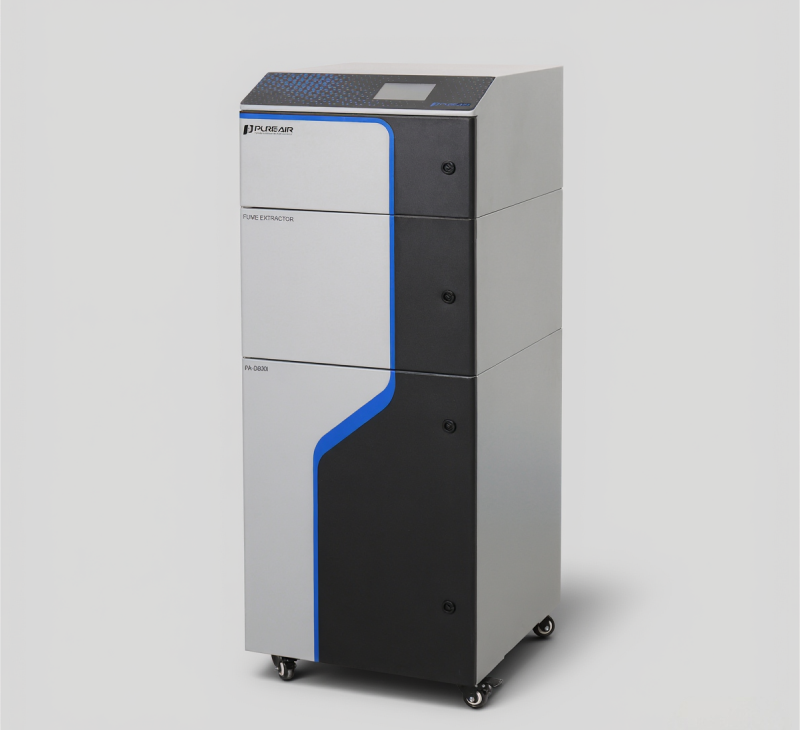
Introduction — a short shop story, some numbers, and a question
I remember the first time I fired up a hobby laser in my garage: a small panel of birch, a sigh of burnt wood, and that bitter smell that clung to the air for days. In that moment I learned why a proper laser cutter fume extractor matters — not just for comfort, but for health and compliance. Studies show that laser cutting can release fine particulate matter and VOCs at levels that exceed safe indoor guidelines (yes, those tiny bits sneak past open windows). So how do you pick a unit that actually tames smoke and fumes without turning your bench into an industrial clean room? I’ve spent years tinkering with fans, filters, and duct layouts, and I’ll walk you through what I’ve learned, plain and simple — no jargon piling up. Let’s start by looking at where common fixes trip up, and why that matters next.
Why common solutions stumble: the hidden flaws and pain points
fume extractor laser cutter units are sold as the easy fix, but the reality on the shop floor is messier. Manufacturers often focus on filter ratings — HEPA this, activated carbon that — and that’s important, sure. But they sometimes ignore airflow behavior, capture hood placement, and real operating duty cycles. I’ve seen shops buy a compact unit rated for 300 CFM and then place it across the room; the result? Most smoke never reaches the intake. That’s where lessons from ventilation design come in: airflow velocity, duct friction, and filter loading all change performance over time. Look, it’s simpler than you think — proper capture and correct CFM matching beat flashy specs every time.
Technically speaking, a system must balance three things: capture efficiency at the source, adequate filtration media to remove particulates and VOCs, and maintainable airflow over time. If any of those drop, contaminants slip through. I use terms like filtration media, particulate matter, and airflow velocity in everyday talk now because they matter. Filters clog. Fans lose performance. And—funny how that works, right?—users forget maintenance routines until the unit smells like burned plastic. In short: a great filter won’t save you if the system can’t actually capture the fumes where they are produced.
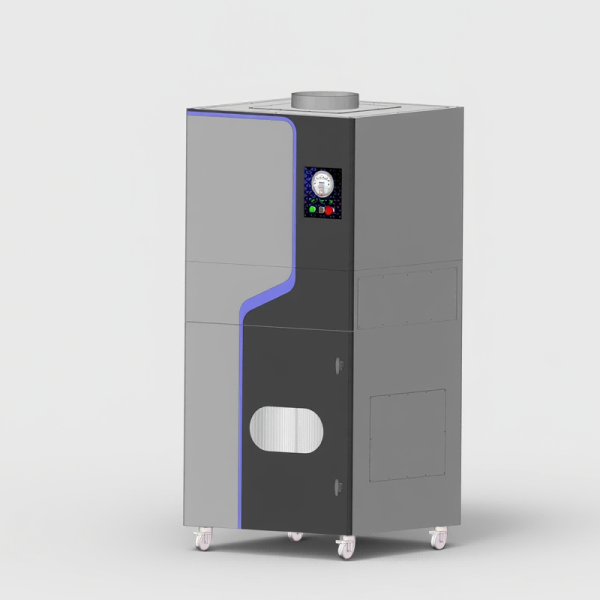 So what can go wrong in plain terms?
Future outlook: better principles and practical choices
Looking ahead, I’m optimistic because the next wave of products is thinking beyond a single filter cartridge. New designs layer solutions: local capture hoods, variable-speed fans, real-time airflow sensors, and smart alerts that tell you when a filter is saturated. When you evaluate a fume extractor laser cutter, ask whether the unit measures static pressure, adapts fan speed, and offers modular filtration. Those features let systems keep up as you ramp laser power or change materials (metal, acrylic, wood — each one behaves differently). I like systems that don’t hide maintenance behind seals; serviceability matters. I’ve had to replace filters that weighed twice what they should because someone thought “out of sight” meant “out of mind.”
In practice, real improvements come from pairing capture strategy with filtration tech. For small shops, a focused capture hood plus a compact unit with a HEPA + activated carbon combo often outperforms a larger, poorly placed system. For heavier loads, look for higher CFM ratings and pre-filter stages to protect the main HEPA. Also — sensors. Systems that report airflow or pressure drop save hours of guesswork. I’ve learned to trust data over promises. Evaluate the total cost: initial price, filter replacements, and downtime. These add up faster than you think.
What to prioritize next?
Closing advice: three practical metrics I use when choosing a system
I’ll leave you with three straightforward metrics that have guided my choices and saved me headaches. First, capture efficiency: how well the hood or nozzle pulls fumes at the point of emission. Second, true airflow in CFM under load — not just a lab number. Third, serviceability: filter change time, availability of replacement media, and built-in alerts. If a unit scores well on those three points, it will serve you well for years. I prefer to test systems in my own shop before committing — small sample runs reveal a lot. Try different materials, run at full power, and watch how the extractor behaves over an hour. It’s hands-on, but it’s honest work.
In the end, I want you to choose confidence over marketing claims. I’ve been through more filter swaps than I care to remember, and I still find satisfaction in a quiet unit that actually clears the air. If you want one recommendation from someone who’s tinkered at midnight and read the manuals twice — pick a system that balances capture, filtration, and usability. That approach keeps your shop safe and lets you focus on the work you enjoy. For reliable options and more technical details, check out PURE-AIR.