Riskoraplay
How to Design Red Light Therapy Systems That Work for Manufacturers: A Comparative Insight
Introduction — a quick scene, a number, a question
I once watched a small clinic in Cairo switch from a dusty lamp to a sleek LED panel, and the therapist told me, “This little change doubled our bookings.” That scene stuck with me because numbers like that matter — 48% faster recovery time reported in some small trials, and device returns still hover around 7–10% in poor builds. In that second line I want to point to the reality many of us face: the role of a red light therapy manufacturer is more than assembly; it is about system thinking, quality control, and honest design choices.
Think of a busy workshop where driver ICs hum and heat sinks sit like tiny mountains. I speak from hands-on experience — I have measured LED arrays, checked wavelength calibration and logged failures at odd hours. The question I love to ask is simple: how do you move from a device that looks good on the table to one that reliably helps a patient week after week (no surprises)? This piece follows that thought. Let’s move to where the real trouble usually hides.
Where the real trouble hides: traditional solution flaws and hidden pains
Why do standard designs fail?
When I review a typical red light therapy manufacture line, the first things I check are thermal management and power converters. Many teams rely on cheap power converters and assume heat sinks will save them — but that is optimistic. In practice, poor thermal paths shorten LED life, shift wavelength, and confuse clinicians. I’ve seen units where pulse-width modulation and driver ICs were not matched, so intensity drops under load. Look, it’s simpler than you think: mismatched components cause unpredictable outputs.
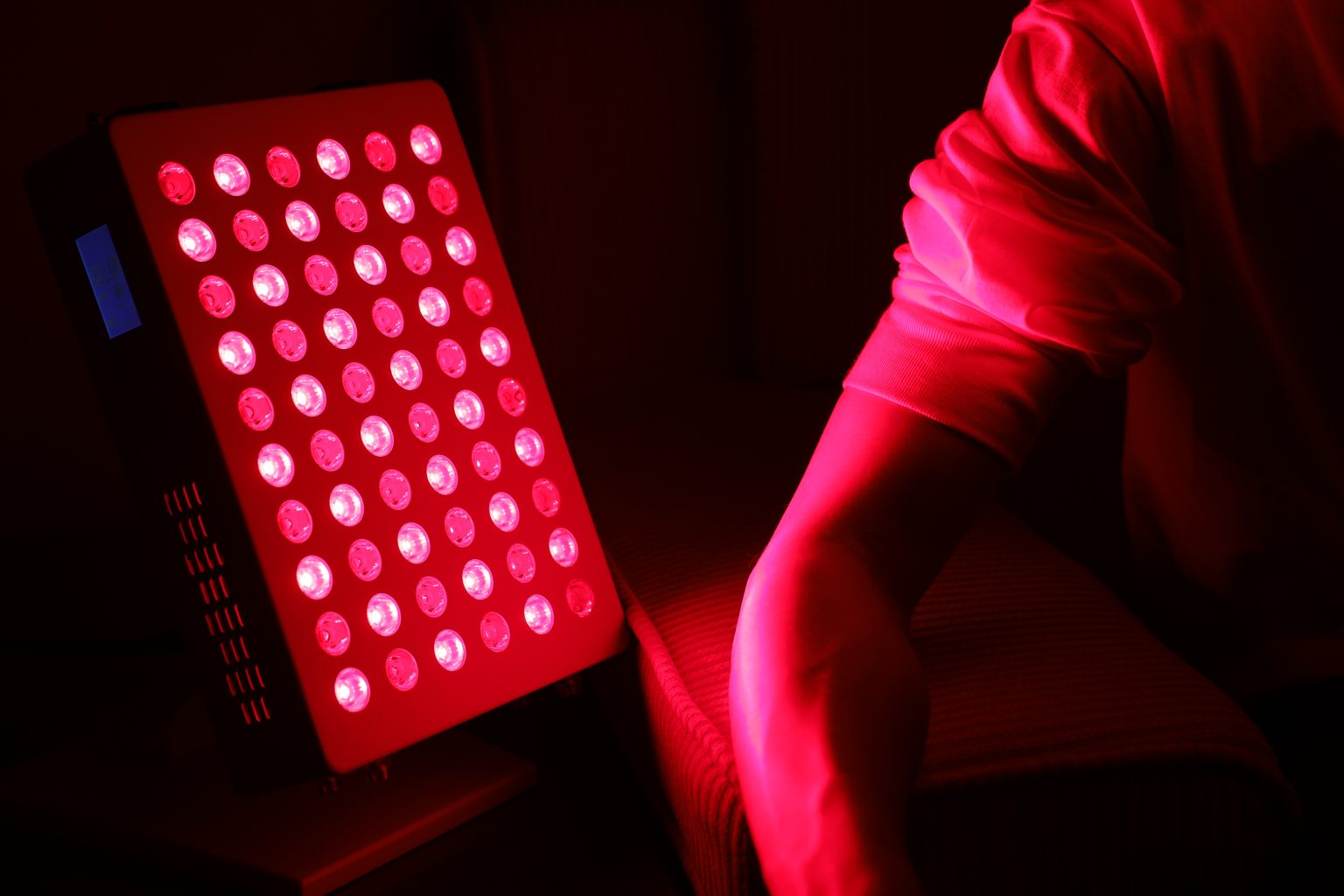 Another common flaw is the emphasis on appearance over repeatability. Makers will praise a glossy housing while neglecting wavelength calibration or uniformity across LED arrays. That creates a product that looks pro but performs unevenly across the treatment surface — patients feel it, practitioners notice it, returns follow. Also — funny how that works, right? — user manuals are often written like legal scripts rather than practical guides, so end users misuse settings and blame the device instead of the instructions.
Comparative outlook: new principles for better systems
What’s Next — practical principles
Looking forward, I favor a few core shifts in how a red light therapy manufacture approaches product design. First, design for measurements: incorporate simple test points for wavelength and irradiance during production. Second, choose robust driver ICs and specify power converters that hold voltage under real load, not just on paper. Third, integrate thermal management from day one — passive heat sinks plus smart thermal cutoffs beat ad-hoc fixes every time.
I’ll add another thing from projects I led: modularity speeds iteration. If you separate optical modules (with lenses and calibrated LED arrays) from electronics (drivers and power stage), you can upgrade one without redoing the whole unit. This lowers cost and shortens validation cycles — and, yes, it makes repairs easier in the field. The result is a device that keeps its specs, week after week, even in hot climates where thermal stress is real.
Recommendations: how to evaluate suppliers and systems
If you ask me — and you should — here are three clear metrics I use when choosing designs or suppliers: 1) Measured output stability: does irradiance stay within spec over time and temperature? 2) Component traceability: can the maker show driver IC, LED bin, and power converter data for each unit? 3) Serviceability: are modules replaceable without full-board swaps? These three are practical, measurable, and they cut through marketing. Use them in tests. Use them in contracts.
To close, I want to say I care about devices that do their job without drama. We owe it to clinicians and patients to make equipment that is reliable, simple to service, and true to its specs. If you need a partner that understands these trade-offs and can help build systems that last, consider our work at Magique Power. I’m happy to talk specifics — after all, good engineering is a conversation, not a brochure.