Riskoraplay
7 Innovative Strategies for Enhancing End Effectors in Robotics

Understanding the Core of End Effectors
In the world of robotics, the efficiency of an end effector significantly influences the overall performance of robotic systems. Picture a manufacturing plant, teeming with robots, each equipped with an end effector to manipulate various materials. Studies show that nearly 30% of robotic failures can be attributed to ineffective end effector design. What makes effective end effectors vital for operations in places like China, renowned for its high-volume manufacturing? End effector in China connects directly to productivity and innovation in modern factories.
What’s Wrong with Traditional Solutions?
When assessing today’s end effectors, I’ve seen common pitfalls in many traditional designs. Firstly, granularity in grip precision eludes many older models. Take, for instance, those that were commonly used in 2015—they would slip or exert too little force, often leading to wasted resources. My experience tells me that those designs genuinely frustrated me (and countless others) because they overlooked crucial aspects like material compatibility and user adaptability. If your end effector can’t grip securely at diverse angles or demands, you run the risk of production downtime, which is quite costly.
Retrospective Insights: Lessons Learned
From what I've observed, the evolution in end effector technology profoundly influences user experience. Now take the 2021 models—they are designed not merely with the task in mind but also with the environment where they operate. Advanced sensors and adaptive grips play a role, allowing for a seamless interaction with various materials. When considering an end effector in China, manufacturers prioritize not just functionality but also safety and efficiency. I remember talking to a friend in the industry who upgraded his factory’s tools and saw a 25% increase in productivity within just a few months. It’s exciting to witness how innovation can yield such tangible results!
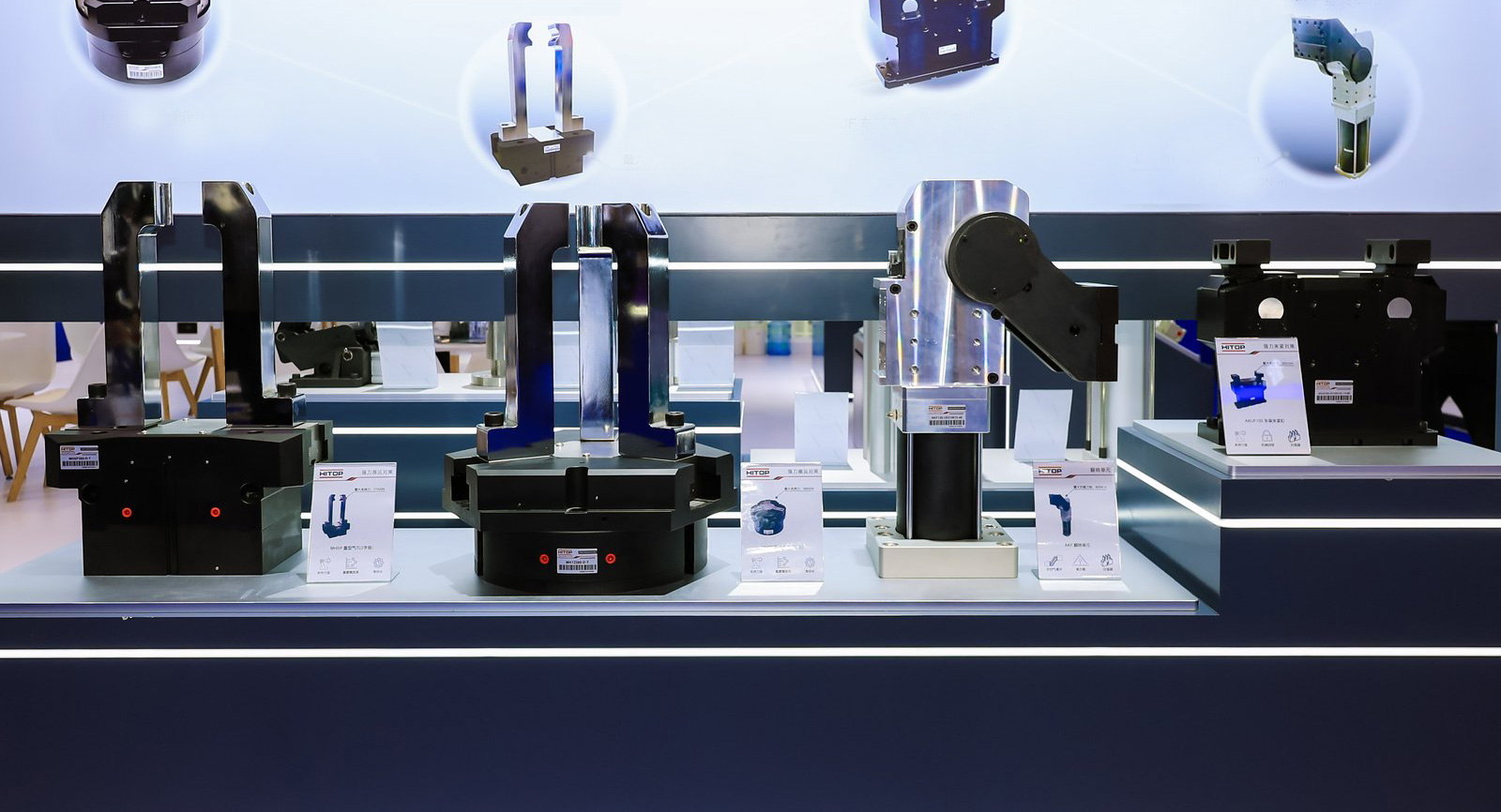 What’s Next for End Effectors?
As I gaze toward the future, it’s clear that the complexities of the tasks robots perform will only increase. I firmly believe we are on the cusp of remarkable innovations. The introduction of artificial intelligence within end effector functionality is profound. Imagine an end effector that not only adjusts its grip based on the weight of the object but also communicates with other robots. If I were looking at purchasing an end effector in China tomorrow, I’d prioritize models that integrate IoT capabilities, enabling a smarter factory floor. It’s not just about what these devices can lift, but also how they can interact and optimize the workflow.
Key Evaluation Metrics Moving Forward
As I reflect upon this rapidly evolving landscape, here are three critical evaluation metrics I recommend when selecting end effectors: 1) Compatibility with existing production systems—ensure it fits seamlessly, 2) Flexibility in handling various materials—this keeps operations versatile, and 3) Sensor feedback capabilities—the more data you can gather, the better decisions you can make. With a vast range of choices now available, making informed decisions can significantly affect your operation’s success and efficiency. Personally, I tend to choose brands that offer strong support and robust engineering, like nan.